
about
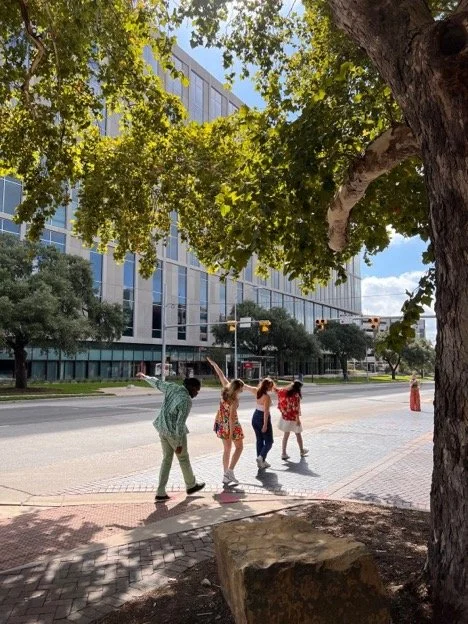
Mad Moves events bring people into relation with mad communities, histories, and cultures. Blending historical research and embodied practice, we join together in acts of mad kinmaking, generating intergenerational intimacies and ancestral lineages that stretch across time. Our engagements take many forms. We dance in the shade of former asylums, tilting and gliding past their pristine shopping plaza façades. We generate collaborative soundscapes, creating musical scores that speculate beyond the limits of the case file. We compose gestures of remembrance at unmarked state hospital cemeteries, offering our bodily motion as a belated memorial to the unnamed dead. Taken together, these performance manifest a once-unimaginable future, one in which mad communities do not disappear but, rather, multiply.
What is your personal relationship to madness? Who are your mad ancestors?
How does your body respond to these questions?
What is madness?
Our use of the terms “mad” and “madness” throughout this project stems from mad pride, radical mental health, and disability justice activists who critique the depoliticizing nature of psychiatric paradigms. To be sure, such paradigms can be useful for accessing needed resources and support; and yet, there are many aspects of mental, emotional, cognitive, and behavioral differences that escape medical discourse. When reclaimed by those with lived experiences, the terms “mad” and “madness” serve as an invitation to imagine these differences otherwise, to turn away from notions of individual psychiatric diagnoses and towards shared social experiences. In this turn, other possibilities emerge: madness as social identity, as minoritarian constituency, as intergenerational community, as ancestral lineage, as expressive culture, as chosen family, as kin.
What is mad kinmaking?
In response to these vibrant possibilities, Mad Moves performances invite both mad and non-mad participants to deepen their own relationships to madness, forging connections with mad communities across time—a creative genealogical practice we describe as mad kinmaking.
As a relational framework, kinship offers mad people the opportunity to coalesce around shared histories—and to place themselves in relation to those histories. At the same time, as numerous Indigenous, queer, and disabled activists observe, kinship does not require sameness; rather, kinship offers a relational framework for thinking both through and in excess of identity, cultivating affinities across multiple intersections and differences. The term “kinmaking” places this relational framework in a creative key: kin is not given but, rather, made. When joined to “mad,” kinmaking expands these affinities beyond the bounds of madness proper, extending solidarity to those who might not identify as mad but whose lives emerge in relation to madness nonetheless: descendants of (often erased) mad ancestors, family to mad loved ones (biological and chosen), non-mad disabled people, Black and other negatively-racialized people targeted by scientific racism, Indigenous nations and communities dispossessed by settler-colonial psychiatry, queer and trans people pathologized by diagnostic regimes, women labeled “crazy,” “hysterical,” “insane,”—and so many others.
In honoring these disparate kinships, Mad Moves ultimately insists on the disruptive potential of mad perspectives—perspectives that, when informed by broad intersectional analysis—are vital to building a more equitable and just world for us all.
our team
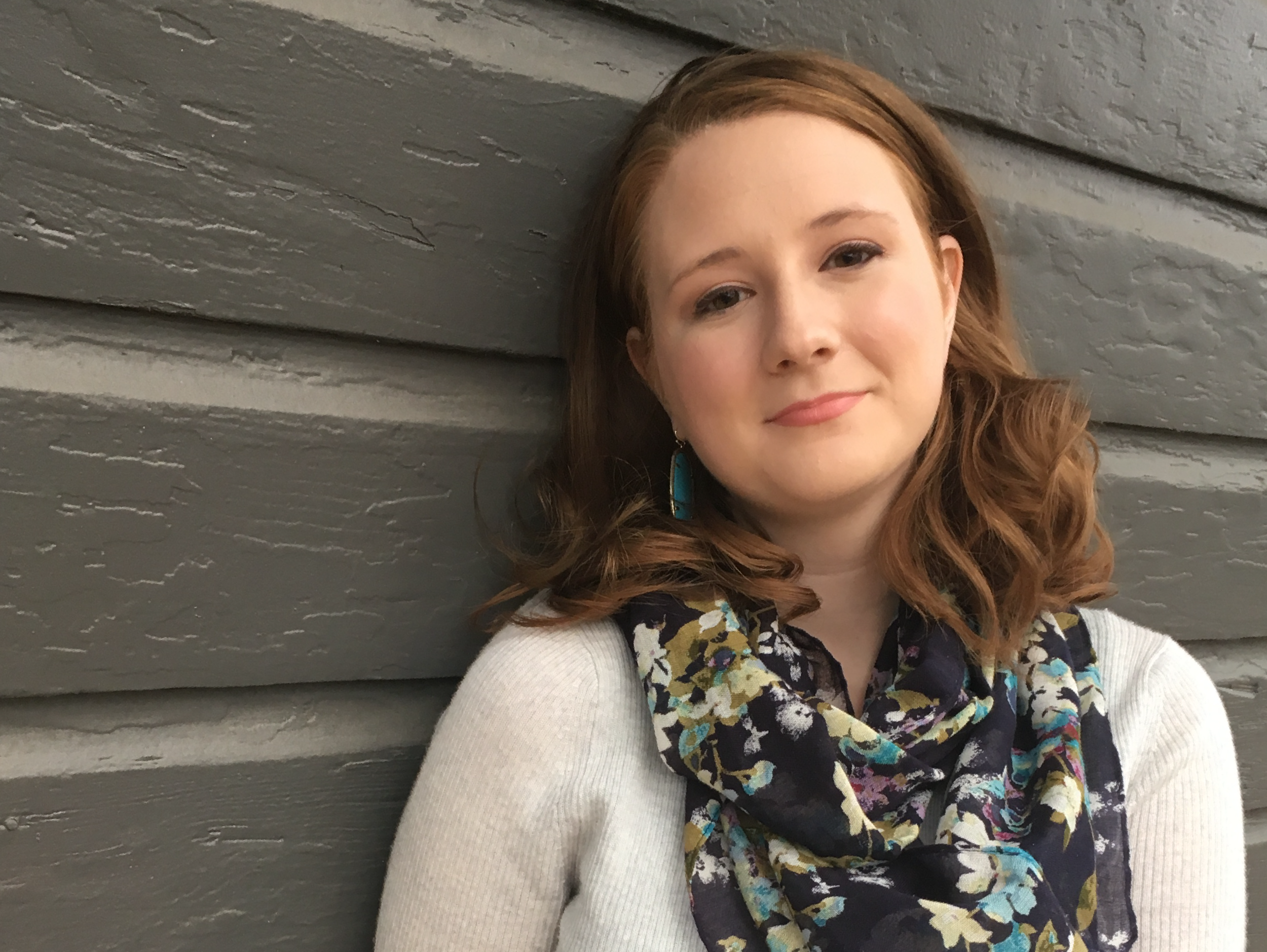
Image Description: Alexis, a white person with shoulder-length auburn hair, smiles at the camera. She wears a large scarf and big earrings.
Photo credit: Laura Vasquez
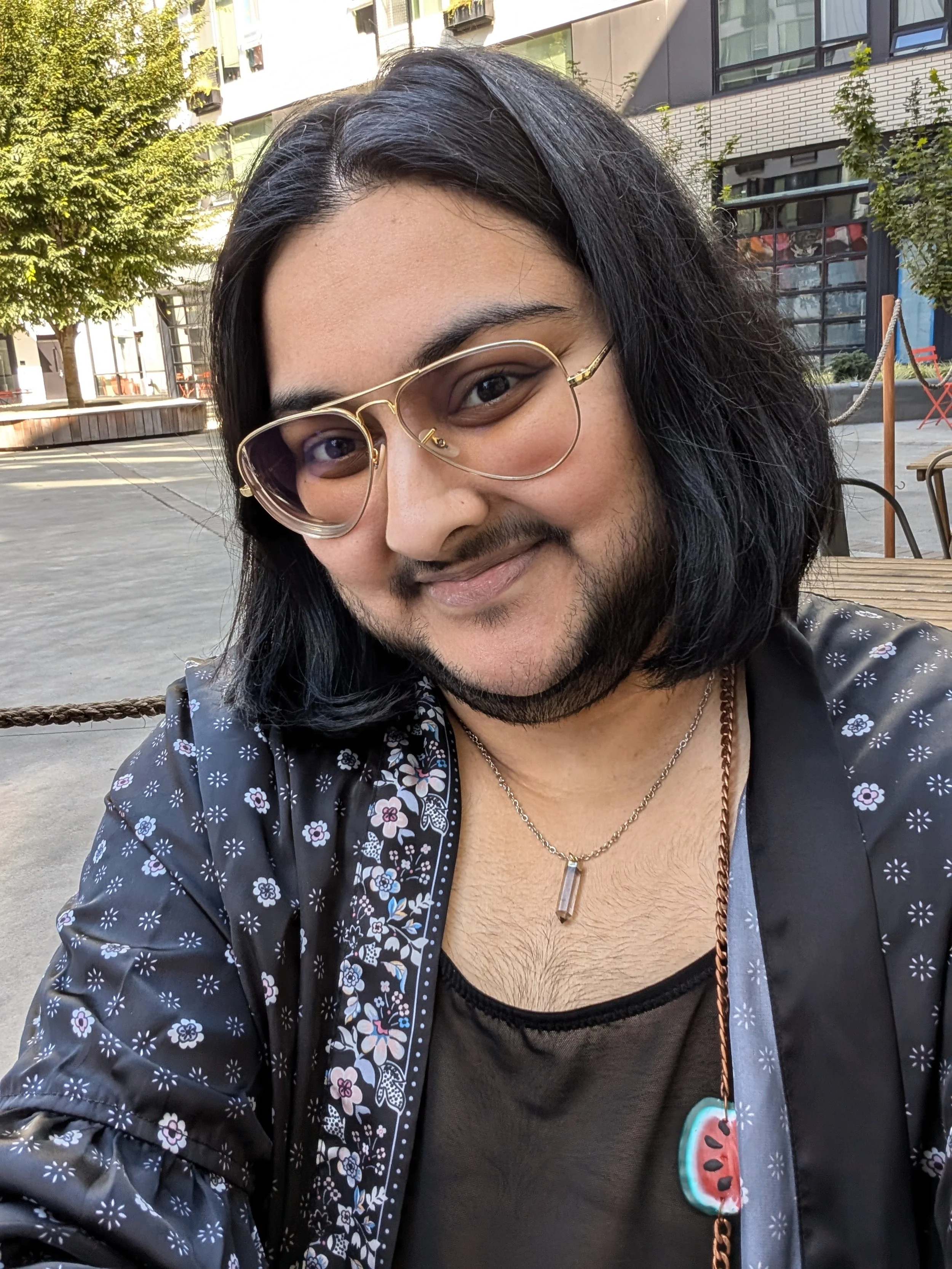
Image Description: Ali, a neurodivergent trans-nonbinary person of color, smiles at the cameral .They are wearing glasses.
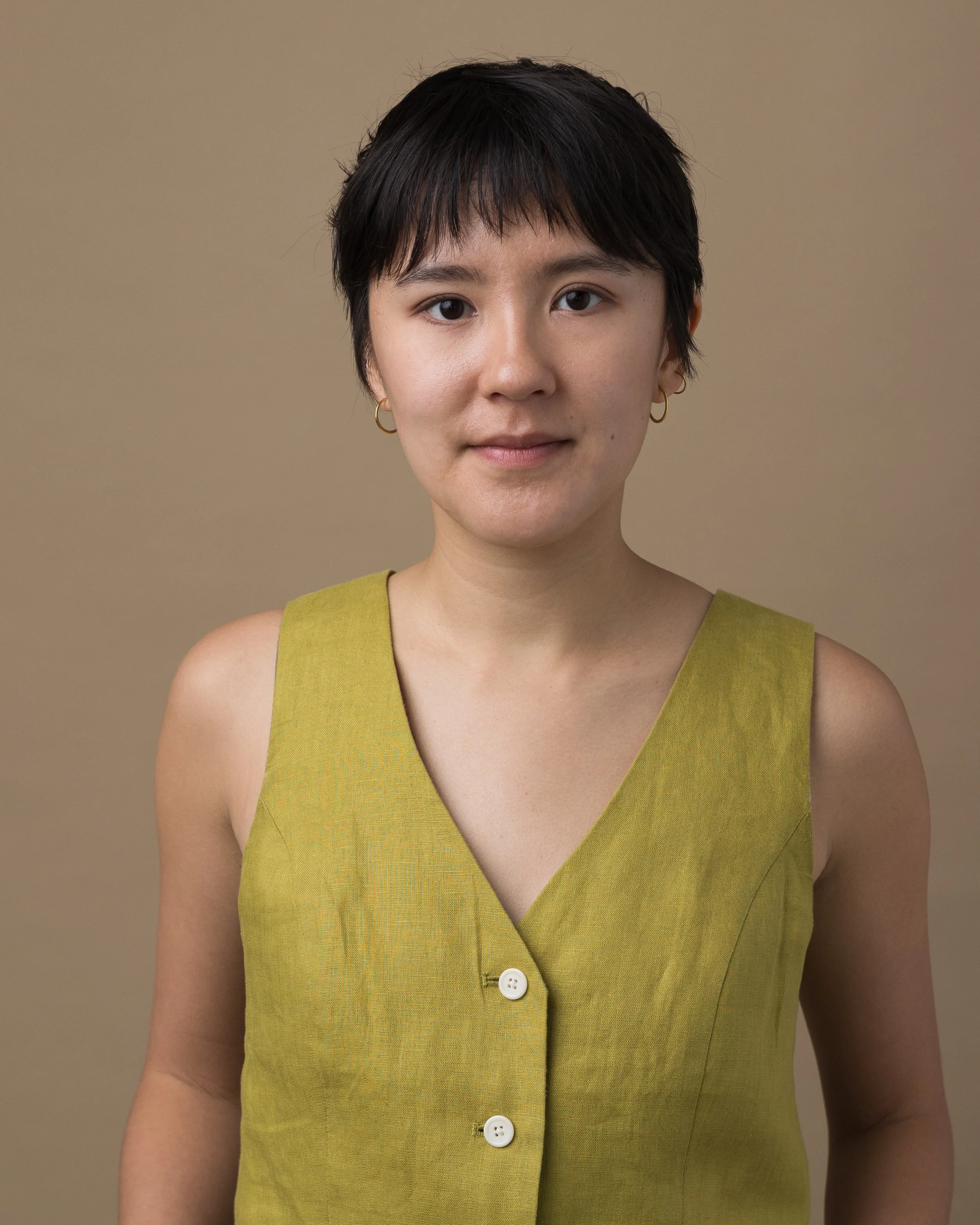
Image description: Rebecca, a mixed race Asian American person with messy short brown hair smiles.
Photo credit: Sarah Annie Navarette
Alexis Riley
Alexis Riley (she/they) is a white disabled/autistic psychiatric survivor and interdisciplinary performance artist from Shawnee and Osage Land (colonial West Virginia). Her written and performance projects investigate how people who identify as mad, neurodivergent, and/or disabled experience and use our bodies—and how those bodily practices can point us toward more supportive and sustainable ways of being.
Their work activates these ways of being through participatory and community-created performance events that blend disability culture, creative movement, and improvisation to celebrate the wisdom of divergent bodies. This work has been presented nationally and internationally at the Center for Mad Culture (Chicago, IL), the Cohen New Works Festival (Austin, TX) and the Edinburgh Festival Fringe (Edinburgh, UK), as well as at numerous universities. Critics have described these performances as “revolutionary,” and “theatre of the future.”
A 2021 Charlotte W. Newcombe Fellow and recipient of a 2023 President’s Postdoctoral Fellowship in theatre and drama, Alexis is currently an Assistant Professor of Theatre Studies at the University of Michigan, where she also teaches courses in the Disability Studies Minor. To learn more about her writing, visit Alexis’ research profile.
DirectorAli Pappa
Music directorAli is an Austin-based COVID-19 long hauler, musician, and improviser. They are a neurodivergent, multiply-disabled, trans nonbinary person of color from the South Asian desi diaspora, and are naturally drawn to creating and performing works that reflect these unique lived experiences, as well as the shared experiences of mad and disabled bodyminds. How can creativity be nurtured through and because of the disabled experience, not in spite of it? That question drives much of Ali's current creative work. These days, Ali intentionally leans into crip-time, focusing on his health, advocating for long haulers, and taking projects and collaborative experiences at a pace more aligned with his values as a disabled anticapitalist. His collaboration with Alexis Riley received a B. Iden Payne award for the University of Texas at Austin's kin song: ode to disability ancestors, a virtual performance ritual.
Rebecca Fitton
producerRebecca Fitton (she/they) is a queer, mixed race asian american, disabled, and immigrant artist, administrator, and advocate. Their writing has been published by Triskelion Arts, InDance, The Dancer-Citizen, Etudes, Critical Correspondence, Dance Research Journal, and the American Journal of Arts Management. She has been an artist-in-residence at Winslow House Project, the Maggie Allesee National Center for Choreography, the National Center for Choreography – Akron, SPACE 124, Center, LEIMAY/CAVE, and The Croft. She holds a BFA in Dance from Florida State University and an MA in Performance as Public Practice from the University of Texas at Austin. rebeccafittonprojects.com